Built to fill the gap left by a generation of operators that pulled out of Teesside.
TAG is a Teesside heavy engineering and fabrication group built on a team whose track record on the River Tees runs back to the late 1990s. It consolidates and reinvests in that capability, in the wake of the wholesale exit of major operators from the region: Whessoe Offshore, Trafalgar House, Kvaerner, Odebrecht SLP and Heerema among them.
The founding philosophy has not changed: build long-term alliances with retained Teesside subcontractors and supply chain partners, and deploy that network on contracts of scale.
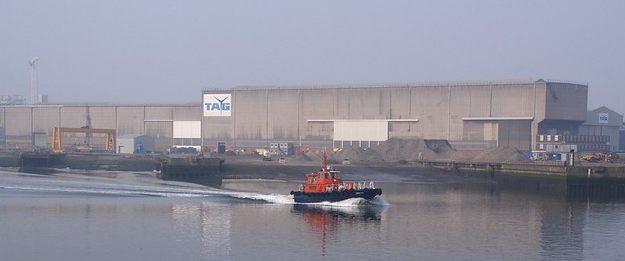
A company built for a cluster that needed rebuilding.
As the heavy fabrication footprint that had defined Teesside for half a century disappeared, the work was leaving but the people who knew how to do it were still there. Designing the business around that workforce, rather than trying to recreate fixed capacity from scratch, has been the through-line of every project since.
Consolidation, not duplication.
TAG was set up to assemble heavy engineering programmes from a network of specialist contractors with deep tenure on Teesside. The model was deliberately light on direct headcount and heavy on relationships, supplier discipline and contract structure.
That choice has been validated repeatedly on contracts that demanded simultaneous management of design, procurement, finance, fabrication and offshore commissioning — with cross-border financing layered on top.
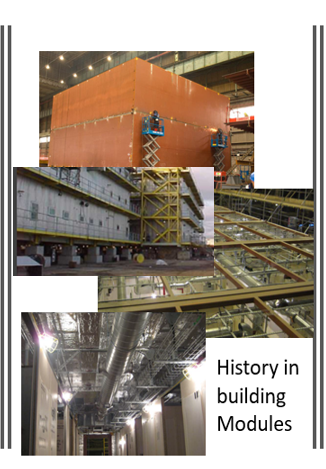
Quay-side on the River Tees.
The Group’s heritage is on the south bank of the River Tees, with quay access supporting direct load-out of heavy structures to marine transport. The waterfront location, retained skilled workforce and accreditation portfolio are the principal assets — difficult to replicate from a standing start.
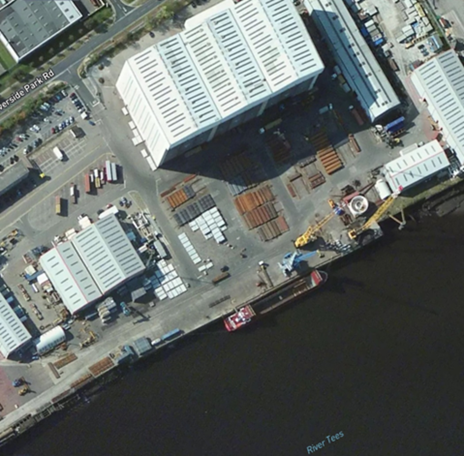
The most concentrated heavy industrial cluster in the UK.
Teesside has been backed by central government as a national industrial growth zone, with freeport status and a programme of confirmed energy and defence infrastructure spend. The East Coast Cluster CCS designation, the Hinkley Point C and Sizewell C builds, and the Great British Nuclear SMR programme represent decades of forward demand for heavy steel fabrication.
The supply base that historically met that demand has been hollowed out. The kit and the buildings went; the tradespeople, supervisors and engineers stayed. TAG was set up to bring those two halves back together.